GOP lawmakers’ priority bill to axe Missouri income tax passes first hurdle
AI-generated summary reviewed by our newsroom.
- House approved first-phase plan to ask voters to allow income tax cuts.
- Plan would expand sales tax base; critics say it may need ~ $9B in replacement.
- Opponents warn work could hurt low-income residents; exemptions remain unclear.
The Missouri House on Thursday approved the first phase of a sweeping plan to eliminate the state’s income tax through expanded sales taxes, a major step toward overhauling the state’s tax structure.
The measure, a key priority of Republican Gov. Mike Kehoe, would ask voters on a future ballot to give lawmakers the ability to increase sales taxes, which would trigger gradual reductions in the state income tax.
Income taxes account for about 65% of the state’s general revenue, which means the state would need to drastically revamp its current taxing structure.
The proposed constitutional amendment passed the House on a vote of 98 to 54. It now heads to the Senate. If approved by both chambers, it would go before voters in November or at an earlier election called by Kehoe.
Missouri House Republicans said eliminating the income tax would lead to growth in the business sector.
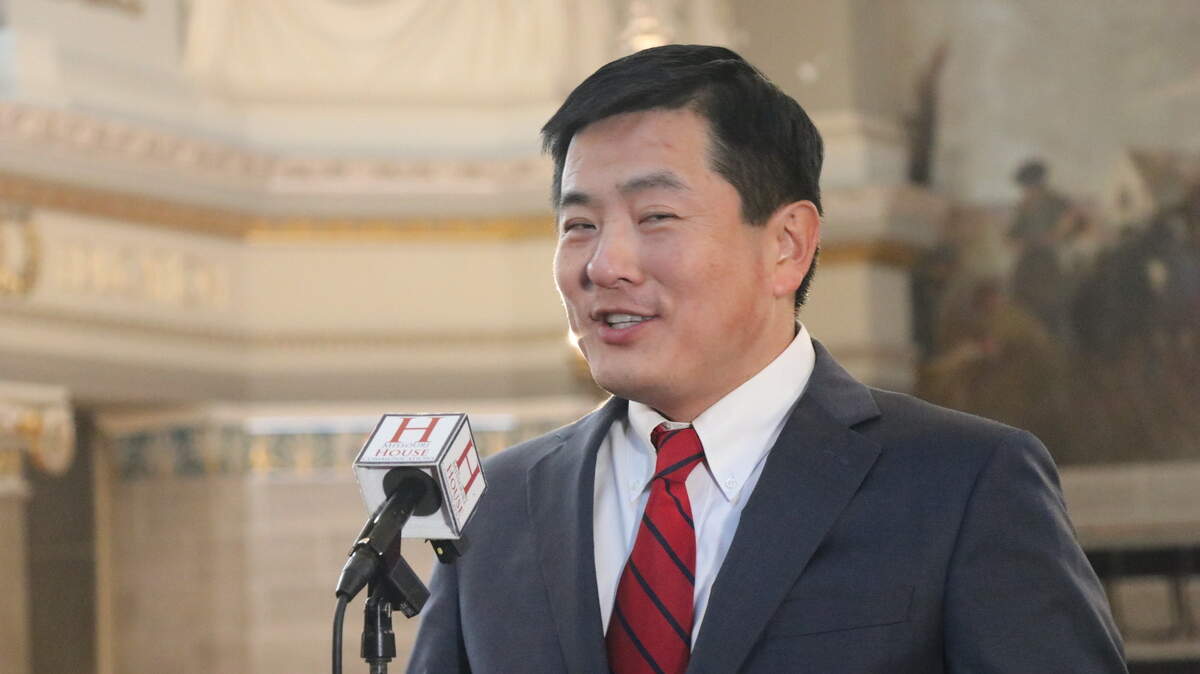
“Since we have been reducing taxes in this state, we have been seeing growth, and we’re only bound to see more growth. Not to mention, when you go to zero, that’s when the magic really starts to happen,” said Bishop Davidson, a Springfield Republican, who sponsored the bill.
Missouri employs a base state sales tax of 4.225% on most retail goods. Critics contend the rate would need to increase to nearly 13% to make up for the lost revenue from the income tax.
Republicans contend that they could expand sales taxes to more services, which could cushion sales tax increases on retail sales.
House Democrats railed against the proposal on Tuesday. Opponents, including top officials in Kansas City, fear the measure will hurt low-income residents and force drastic cuts to services.
Others point to a budget fiasco roughly a decade ago in Kansas in which legislators enacted a series of tax cuts that were ultimately rolled back.
House Minority Leader Ashley Aune, a Kansas City Democrat, said on Wednesday that the measure would give lawmakers broad authority to raise taxes on goods and services that are currently exempt.
“Unfortunately, there are no details in the bill about what that will be,” Aune said. “So we can only assume that they will have to raise sales taxes high enough to cover that $9 billion deficit.”
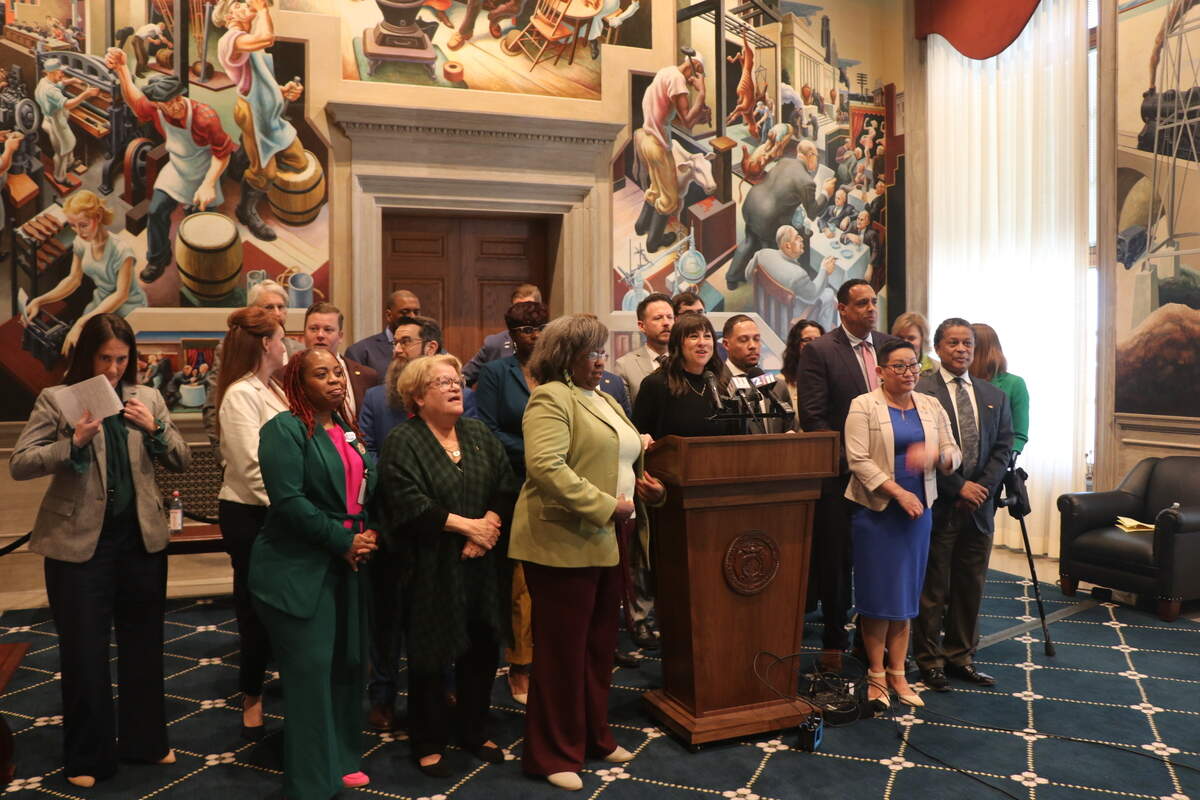
Despite the Democratic opposition, Missouri House Speaker Jon Patterson, a Lee’s Summit Republican, said the proposal isn’t partisan and that states with Democratic majorities are also considering expanding their sales tax bases.
“If you look at a state like Virginia, they are looking at expanding their sales tax base, talking about the exact same things that we’re talking about, perhaps a service tax on digital services, and just modernizing their tax base to reflect the life we live in 2026,” Patterson said.
But unlike Virginia, Missouri is pairing its broadening of sales taxes with reductions in the income tax. For every $20 million raised over a base of fiscal year 2025, the top rate of the state income tax would be cut by 0.01 percent.
Democrats say the proposal will increase taxes for most voters.
What actually is included in an expanded tax base isn’t specified. Kehoe says housing, health care and agriculture would be exempted, but the bill doesn’t specifically exempt those industries.
A future class of lawmakers would ultimately decide which sales taxes would increase, and what services would incur a sales tax.
Missouri lawmakers have pointed to Missouri’s economic growth falling behind certain no-income tax states like Florida, Tennessee and Texas.
But opponents have called the comparison disingenuous and more reflective of unrelated factors like tourism and natural resources. The Missouri Budget Project, a state budget advocacy group, said Missouri currently has a fairer tax rate than states without an income tax.
If passed, the ballot summary language sent to voters is likely to be challenged in court.