
No Thanksgiving meal in Shawnee Mission schools — but serve up the truth to students
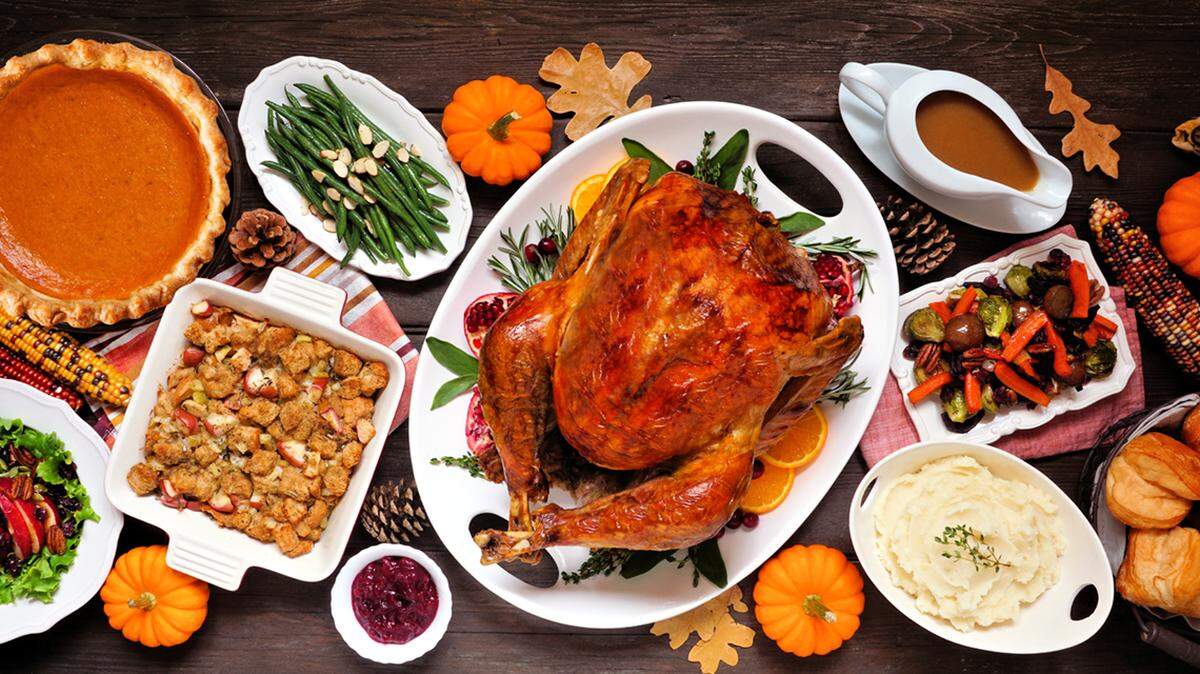
A controversy over why Thanksgiving isn’t coming to Shawnee Mission schools this year presents an opportunity to tell students the truth about what the holiday really is. For some people, it’s not a celebration but a reminder of a traumatic time in our history. Teachers ought to seize the moment
When Shawnee Mission announced that its annual districtwide Thanksgiving meal is being canceled — the Christmas meal may be out too — false rumors circulated on social media that the decision was made for reasons related to diversity, equity and inclusion. And those spreading the misinformation didn’t like that idea.
But the truth is, supply chain problems have made access to traditional holiday food items needed to plan a meal for everyone virtually impossible.
As it turns out, canceling their district Thanksgiving meal really is not about Shawnee Mission making a grand gesture to recognize that turkey, dressing and pumpkin pie have almost nothing to do with what really happened when the pilgrims landed on Plymouth Rock.
For some of us, Thanksgiving is just an excuse to gorge on a feast that, depending on the culture of the people around the table, could range from roasted bird to curried meats to pasta or dumplings, soups and desserts.
A school district’s inability to secure a planned meal for the day actually is a better example of what the Pilgrims really experienced than the mythology we were taught as children and unfortunately still teach.
Pilgrims initially survived by stealing corn from the fields and store houses of indigenous people — and even ransacked their graves.
Yes, there was eventually a shared meal. According to the Smithsonian National Museum of the American Indian, they likely ate seafood, venison, wildfowl and squash contributed by the indigenous people who had participated in a harvest feast long before European separatists came to North America fleeing religious persecution.
For some, though, the day we celebrate is no Hallmark moment.
The Wampanoag Indians of Plymouth remember the arrival of Pilgrims as a time of deep mourning. Hundreds of indigenous men, women and children were eventually slaughtered by the settlers who years earlier the native people had taught how to farm and had fed for three days — what we call the first Thanksgiving.
David Smith, spokesman for Shawnee Mission schools, said the district is indeed looking at ways to include the cultures of more students in its day-to-day instruction.
“We are trying to draw the circle bigger, ” he said. He added that “there has been no discussion,” among district leaders of canceling holiday meals for diversity, equity and inclusion reasons.
Students will still recognize Thanksgiving in their classrooms. How? Smith says that will be left up to the teachers.
Let’s hope that whatever those classroom celebrations look like, that none of them include construction paper headbands and feathers that are supposed to represent Native Americans but are actually stereotypical images that perpetuate historical inaccuracy.
Let’s hope teachers are not repeating the mythological history about a happy celebration between the indigenous people and grateful pilgrims. Instead, if it’s age appropriate, they should teach the truth.